The Potential Impact of TikTok's Indie Music Takedown on Independent Artists
TikTok’s indie music removal could impact independent artists financially and reduce their reach. Learn about the potential effects on artist visibility and industry trends.
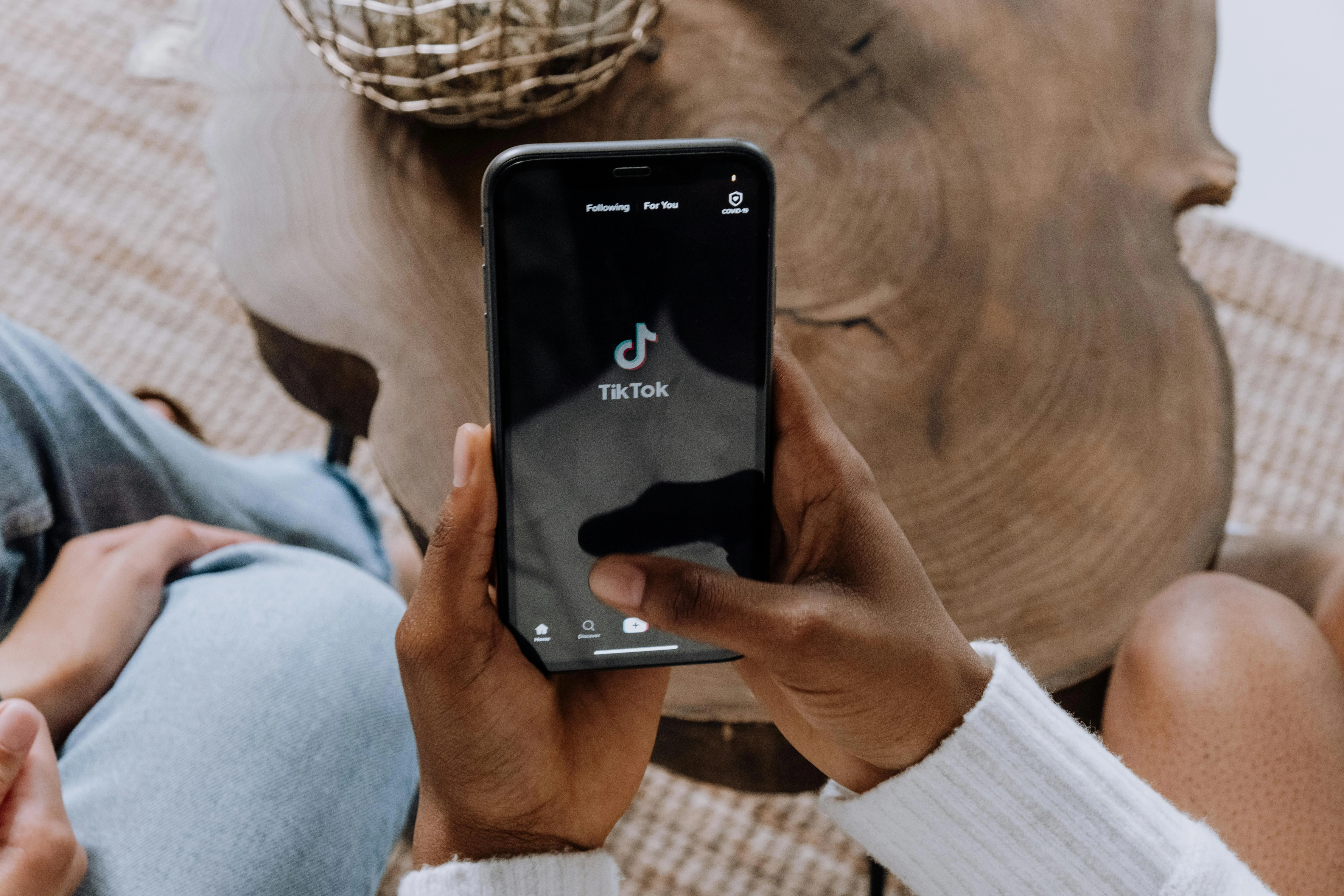
TikTok’s rumored removal of indie music tracks after the expiration of their deal with Merlin could mark a turning point for independent musicians. With limited budgets, indie artists rely on TikTok’s viral network to reach new audiences, grow fan bases, and earn income through its monetization programs. TikTok’s short-video format and user-driven trends offer organic reach that traditional industry channels rarely provide, making it a powerful platform for artists without label backing.
Want to increase the reach of your indie releases?
Use smart distribution tools to get your tracks on playlists, social platforms, and streaming services. Great distribution can make the difference between being heard and being overlooked.
Financial Setbacks and Loss of Visibility
For many indie musicians, TikTok is not just a promotional tool but also a direct revenue stream. Its monetization features, including music revenue-sharing programs and paid promotions, have provided much-needed income. The rumored track removal could halt this income and strip artists of a primary source of visibility. Emerging musicians who have relied on the platform’s algorithm-driven discovery may face reduced engagement, making it challenging to replicate that reach elsewhere.
TikTok’s popularity has helped countless artists go viral, drawing in new fans and facilitating real-world music success. For those who have built fan bases on TikTok, this rumored change could leave them struggling to maintain the momentum needed to convert these fans into paying supporters on streaming platforms like Spotify or ticketed events.
For many creators, the performance of a single song on TikTok can determine whether a release gains meaningful traction elsewhere. Artists routinely track how frequently their audio appears in trending videos, because the more users adopt the sound, the more likely it is to be noticed by editors, listeners, and even online news commentators. This ripple effect often leads to placement on a fan-made playlist or a spike in monthly listeners, giving indie musicians a rare moment of use in a system that usually favors major-label campaigns.
Without consistent visibility, however, these patterns become unpredictable. A new single from a small band might struggle to break through the noise, especially if the primary discovery funnel suddenly weakens or disappears altogether.
Alternative Platforms and Promotional Shifts
While Instagram Reels and YouTube Shorts provide similar formats, neither currently rivals TikTok’s unique role in music discovery. TikTok’s algorithm has been especially favorable to emerging music, prioritizing diverse and niche content that might not gain traction elsewhere. As a result, independent artists may need to adopt a multi-platform strategy, distributing their content across these channels to reach similar audiences. However, these platforms lack the same combination of music discovery and monetization that makes TikTok so valuable to indie artists.
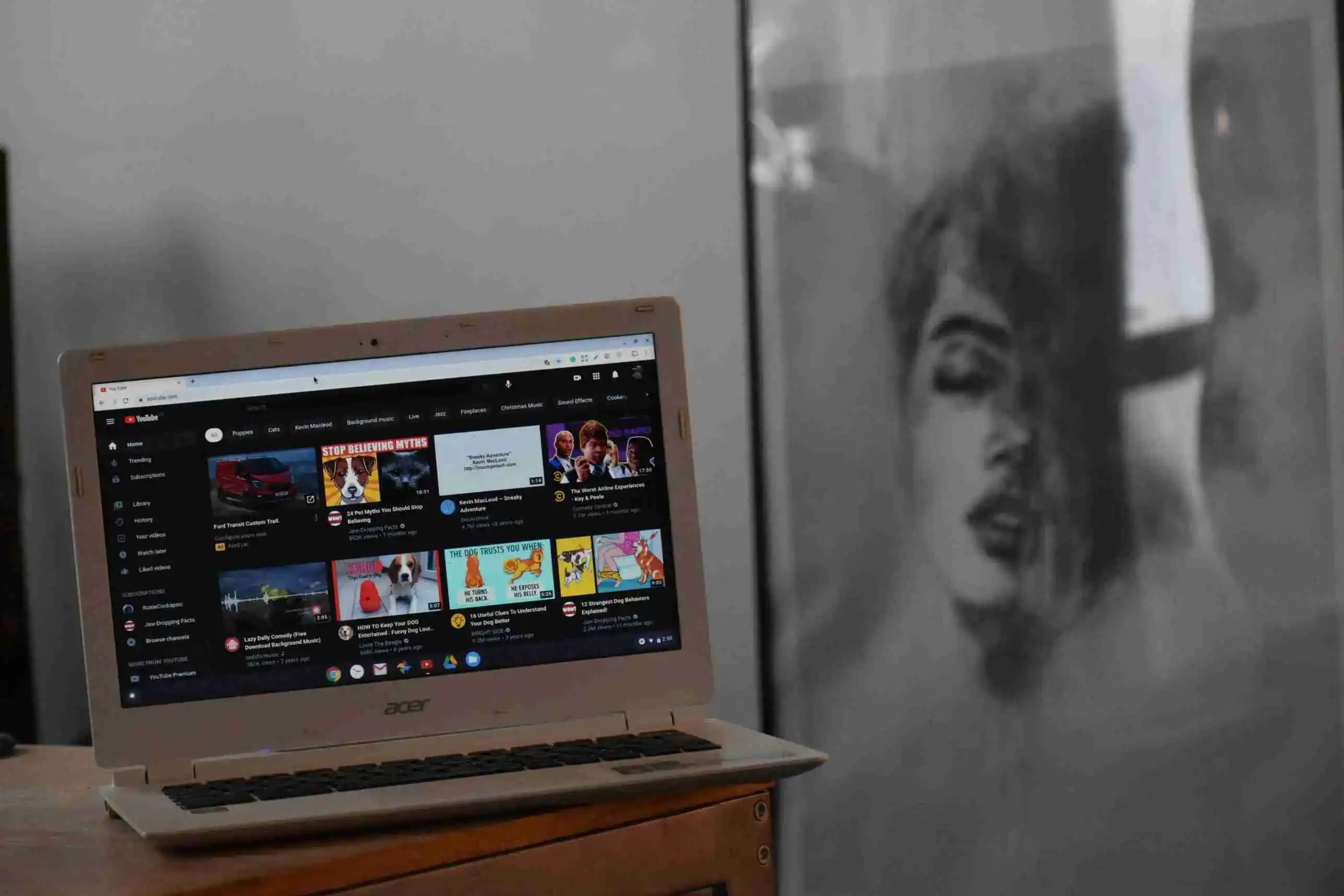
Even so, some musicians are exploring how youtube might supplement this gap, especially through Shorts, performance clips, behind-the-scenes videos, and long-form content that builds stronger connections with fans. Although the platform is not as fast-moving as TikTok in sparking a breakout song, it provides a more stable environment where artists can archive their work and strengthen long-term discovery. The shift may also push independent band members to learn new production, editing, and audience-growth strategies that go beyond the traditional reliance on TikTok’s algorithm. Meanwhile, the broader news cycle around these platform changes is forcing many artists to reconsider how they plan, release, and promote their music.
Industry Dynamics and Negotiations with Rights Holders
The rumored indie track removal could stem from ongoing negotiations between TikTok and major music rights holders. Platforms like TikTok face increasing pressure to align with complex licensing agreements, particularly as they grow as distribution channels for popular music. A shift toward prioritizing agreements with large labels may reflect a strategic pivot for TikTok, possibly limiting the space available for independent music on the app.
This development also speaks to a broader trend in the music industry. As music streaming platforms and social media channels become intertwined, tech companies face increasing demands from major labels to enforce tighter control over licensed music. Indie artists may bear the brunt of these regulatory shifts, potentially sidelined as TikTok adjusts its content strategy to appease high-stakes partnerships with established labels.
A Call to Support Indie Music
As TikTok evaluates its approach, the indie music community may need to adapt and seek alternative avenues. Platforms like Bandcamp or niche music streaming services could emerge as new focal points, offering a more direct route for artists to reach audiences without intermediary platforms controlling the distribution.
In the end, TikTok’s rumored move could reshape the role of independent music within digital spaces, underscoring the need for indie artists to diversify their online presence while prompting discussions on the future of independent music discovery.
Meanwhile, the surrounding news coverage has amplified the uncertainty, with analysts debating whether this shift will ultimately benefit or harm independent musicians. Some believe the change could encourage creators to diversify their approach, while others fear it will weaken one of the few systems where indie artists had a fair chance to stand out. Whatever direction the industry takes, the next few years will likely influence how digital discovery works, and how artists choose to release, promote, and reinvent their sound in an ever-evolving music economy.
FAQ
Can playlists on other platforms replace TikTok’s discovery power?
While selected playlists on services like Spotify or YouTube Music can boost a release, they rarely replicate TikTok’s viral speed. TikTok exposes a song to millions within hours, whereas playlists generally create slow, steady growth rather than explosive visibility.
What role does YouTube now play for indie artists seeking visibility?
YouTube remains one of the most reliable long-term homes for music content. Indie artists can use Shorts, performance videos, visualizers, and behind-the-scenes content to build durable audience relationships. It may not match TikTok’s virality, but it offers stability and creative control.
How might song monetization change if indie tracks disappear from TikTok?
If indie songs are removed, artists could lose an important stream of micro-monetization tied to user videos. This might push musicians to rely more on streaming platforms, direct fan support, or alternative networks like YouTube and Bandcamp for financial stability.
Will independent bands lose visibility if their tracks are removed?
Yes. An indie band often relies on TikTok to reach audiences that traditional channels overlook. Without access to the platform’s discovery features, many groups may struggle to maintain momentum that previously came from trending clips or fan-selected playlists.
How does this change affect a song's viral potential?
TikTok has been a major engine for organic virality, and even a short snippet of a song can transform an unknown artist into a breakout success. If indie tracks disappear from the platform, the pathway for small creators to reach broad audiences through user-generated videos may become significantly more limited.
How can independent artists connect with their audience if TikTok removes their tracks?
If TikTok removes indie tracks, artists will need to find new ways to connect with their audience. Platforms like YouTube, Instagram, and Bandcamp may become key tools in maintaining engagement. By focusing on quality videos, behind-the-scenes content, and direct interactions with fans, musicians can build a stronger community and continue to grow their reach. While it may take time to adjust, these platforms offer opportunities to sign new fans and cultivate a loyal following without relying on TikTok’s viral system.